When international brands select manufacturing partners, the stakes extend far beyond unit costs and lead times. The question that keeps procurement teams awake at night is simple yet profound: Will this supplier deliver consistently excellent products, month after month, year after year?
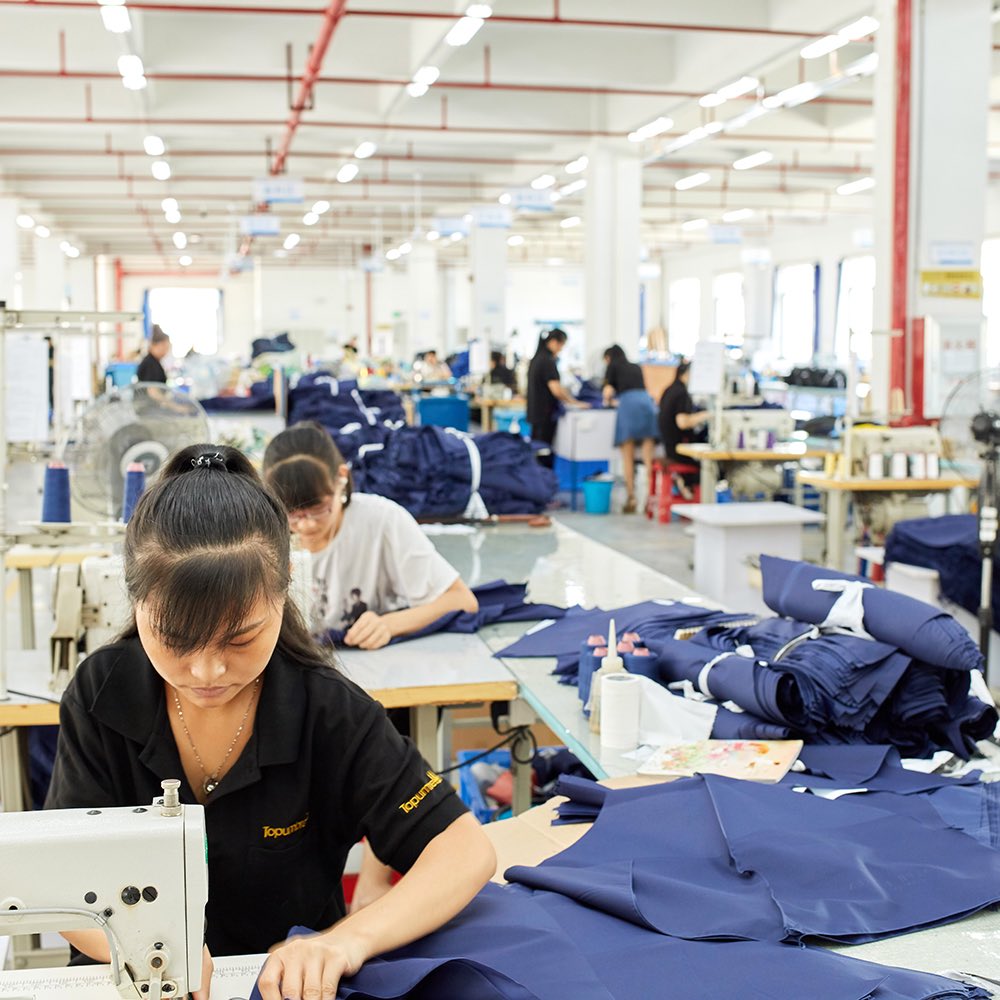
![Modern manufacturing facility showcasing quality control processes]](https://file.topumbrella.com/upload/3977bf37c79a4cacbc1487f2eb5ab655.webp)
Traditional factory audits and ISO certificates provide baseline confidence, but sophisticated buyers now demand deeper proof of operational maturity. This is where independent Supplier Quality Assurance assessments have emerged as the gold standard for vetting manufacturing partners in competitive global markets.
The Evolution of Supplier Evaluation
Twenty years ago, a factory tour and a business license were often sufficient to establish a sourcing relationship. Today's landscape is fundamentally different. Global brands face unprecedented scrutiny from consumers, regulators, and investors who demand transparency across entire supply chains. A single quality failure can trigger product recalls costing millions, generate damaging media coverage, and permanently erode consumer trust built over decades.
This reality has transformed how companies approach supplier selection. Rather than accepting claims at face value, leading organizations now require rigorous, independent verification of manufacturing capabilities before awarding production contracts. Supplier Quality Assurance programs have become the mechanism through which this verification occurs, providing objective evidence that a factory possesses not just equipment and workers, but genuine operational excellence.
What Makes SQA Different from Traditional Audits
Standard factory audits typically focus on compliance checklists: Are fire extinguishers present? Do workers have safety equipment? Is documentation filed properly? While important, these binary checks reveal little about whether a supplier can actually deliver quality products under pressure.
Supplier Quality Assurance assessments dig deeper. They examine how factories think, adapt, and solve problems. Trained assessors spend multiple days observing production workflows, interviewing personnel at all levels, reviewing quality records, and testing systems under hypothetical scenarios. The goal is understanding whether quality emerges from disciplined processes and skilled people, or merely from last-minute inspections before shipment.
This distinction matters enormously. Factories that rely on final inspection to catch defects will always struggle with inconsistency and waste. Those that build quality into every production stage through process control, worker training, and preventive systems demonstrate the maturity that global buyers require for long-term partnerships.
The Anatomy of a Comprehensive SQA Assessment
When organizations like Intertek, SGS, or Bureau Veritas conduct supplier qualification assessments, they evaluate factories across interconnected dimensions that together predict manufacturing reliability. These typically include management systems that demonstrate leadership commitment to quality, production controls that ensure consistency across batches, testing capabilities that verify specifications objectively, and risk management approaches that anticipate and mitigate potential disruptions.
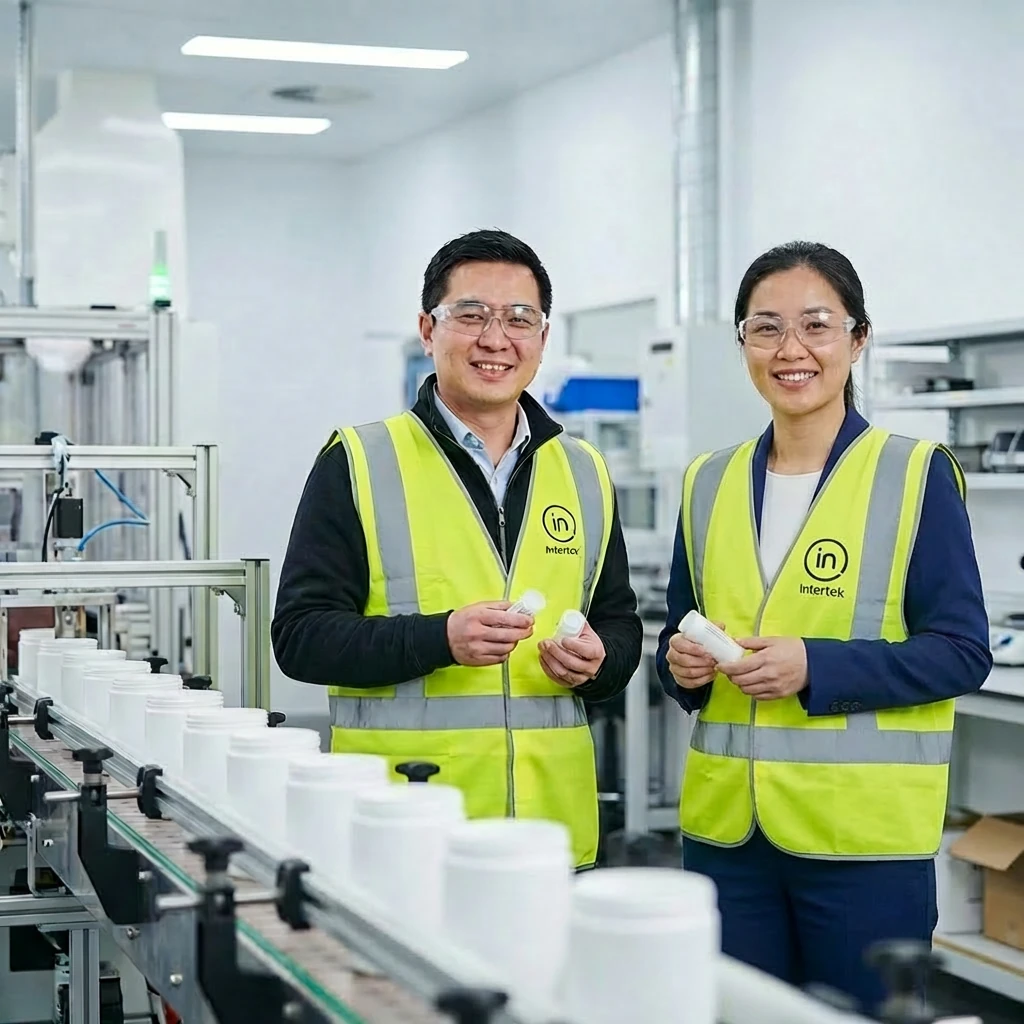
Equally important are facility conditions that support clean and efficient operations, personnel systems that develop and retain skilled workers, and continuous improvement cultures that drive ongoing refinement. Each dimension receives detailed scoring based on observed evidence, not promises or aspirations. The resulting assessment profile reveals strengths to leverage and gaps to address, creating a roadmap for operational enhancement.
"The most valuable insight from SQA assessments isn't the final score—it's understanding how a factory approaches problems they haven't encountered yet. Systems and culture determine long-term reliability far more than current performance metrics."
Why Independent Verification Matters
Anyone can claim quality excellence. Proving it requires independent validation. This is why assessments conducted by recognized third-party organizations carry substantially more weight than self-reported certifications or customer-led audits. Organizations like Intertek operate globally, maintain strict independence from commercial interests, and follow standardized methodologies that enable meaningful comparisons across suppliers and regions.
When a factory achieves strong results in an independent SQA assessment, it signals several important qualities to potential buyers. First, the factory welcomes scrutiny rather than hiding behind vague assurances. Second, management understands modern quality principles well enough to implement them systematically. Third, the organization has invested resources in building capabilities rather than just pursuing short-term contracts. These indicators of maturity and professionalism differentiate truly reliable partners from opportunistic operators.
Topumbrella's Assessment Journey and Results
Understanding these principles, Topumbrella recently completed a comprehensive Supplier Qualification Program assessment conducted by Intertek at our Huizhou manufacturing facility. The two-day on-site evaluation examined every aspect of our operations, from incoming material inspection through final packaging and shipment preparation.

The results validated years of systematic investment in operational excellence. Our overall facility score of 90% placed us in the High Performance category, exceeding industry averages by five percentage points and country averages by seven points. More importantly, the assessment revealed zero Major Findings—a clear signal that our core quality and compliance systems meet international standards without significant gaps.

Performance Highlights
Our strongest performance came in Management Commitment and Continual Improvement, where we achieved a perfect 100% score. This reflects our leadership team's genuine engagement with quality principles and ongoing investment in system refinement.
Process Control scored 96%, demonstrating that our production workflows are standardized, documented, and consistently followed. Site and Facilities Management also reached 96%, confirming that our physical environment supports efficient and safe operations.
Product Control at 95% and Product Testing at 90% showed our ability to verify specifications and catch potential issues before products leave our facility. Personnel Training and Competency at 88% identified an area for continued focus as we expand our workforce and introduce new technologies.
Understanding Assessment Findings
No assessment is perfect, and finding areas for improvement is actually a positive outcome. The three Moderate Findings and thirteen Minor Findings identified during our evaluation provide specific guidance for enhancement. Unlike Major Findings, which indicate serious compliance gaps requiring immediate attention, Moderate and Minor observations point toward optimization opportunities that strengthen already functional systems.
We view these findings as valuable external perspectives that help us see our operations through fresh eyes. Each has been incorporated into our continuous improvement roadmap with assigned ownership, timelines, and verification measures. This approach transforms assessment from a one-time event into an ongoing quality enhancement cycle.
The Business Value of SQA for Buyers
From a buyer's perspective, partnering with a supplier that has completed rigorous SQA assessment offers tangible advantages. Risk reduction is immediate and measurable—factories with strong assessment scores experience fewer quality incidents, delivery disruptions, and compliance issues. This translates directly to lower total cost of ownership despite potentially higher unit prices.
Transparency also improves dramatically. Rather than wondering about supplier capabilities, buyers gain detailed insight into systems, processes, and improvement trajectories. This visibility enables more strategic conversations about capacity planning, new product development, and long-term collaboration possibilities.
Perhaps most valuable is the foundation for genuine partnership that SQA creates. When both parties operate from shared understanding of quality standards and improvement methodologies, communication becomes more productive and problem-solving more collaborative. The relationship evolves from transactional purchasing to strategic alliance built on mutual respect and aligned objectives.
Looking Forward: Continuous Improvement as Strategy
Achieving strong SQA results is gratifying, but the real work begins after assessment completion. At Topumbrella, we recognize that manufacturing excellence is not a destination but a journey requiring sustained commitment and investment. Our post-assessment priorities include strengthening risk management frameworks to anticipate potential disruptions, enhancing business continuity planning to ensure uninterrupted supply even during challenging periods, and deepening supply chain resilience through supplier diversification and inventory optimization.
We are also expanding our environmental and social responsibility programs, recognizing that modern buyers evaluate suppliers not just on quality and cost, but on their broader impact on communities and ecosystems. Sustainability has evolved from optional differentiator to essential requirement in global sourcing.
The Competitive Advantage of Verified Excellence
In crowded manufacturing markets where dozens of suppliers claim similar capabilities, independent SQA assessment provides credible differentiation. It demonstrates that a factory doesn't just talk about quality—it has welcomed outside experts to verify claims and provide objective evidence of operational maturity.
For Topumbrella, this verification supports our position as a premium umbrella manufacturer serving discerning global brands. Our Intertek assessment score of 90% is not merely a number—it represents thousands of hours of training, millions in equipment investment, and unwavering commitment to doing things the right way even when shortcuts seem tempting.
As global sourcing becomes increasingly complex and buyers face mounting pressure to ensure supply chain integrity, Supplier Quality Assurance will only grow in importance. Factories that embrace this reality and invest accordingly will thrive. Those that resist will find themselves increasingly excluded from premium market segments where quality, reliability, and transparency are non-negotiable.
Partner with a Verified Manufacturing Leader
If you are seeking an umbrella manufacturing partner whose quality systems have been independently verified by global standards, we invite you to explore how Topumbrella's operational excellence, proven capabilities, and commitment to continuous improvement can support your brand's success. Let's discuss how partnership built on transparency and mutual respect can drive results for your business.