
A comprehensive guide to modern umbrella production and environmental responsibility
As global buyers place increasing emphasis on sustainability, umbrella manufacturing is no longer defined solely by production efficiency. Material selection, design decisions, and environmental responsibility now play a central role in how umbrellas are developed, produced, and evaluated.
Rather than focusing on step-by-step production, this article explores how materials and sustainability strategies influence modern umbrella manufacturing — especially for branded, corporate, and OEM programs. Understanding these elements is crucial for businesses looking to align their promotional products with environmental commitments while maintaining quality standards.
Material Selection in Umbrella Manufacturing
Every umbrella begins with material choices that directly affect durability, weight, performance, and environmental impact. In umbrella product manufacturing, these decisions are typically made long before production starts, shaping both quality outcomes and cost structure.
The complexity of material selection extends beyond simple specifications. It requires understanding how different components interact during assembly, how they perform under various weather conditions, and how they contribute to the umbrella's overall lifecycle environmental footprint.
RPET Canopies: Recycled Plastic Bottles in Umbrella Production
One of the most visible sustainability innovations in umbrella manufacturing is the use of canopies made from recycled plastic bottles. Umbrellas with canopies made from recycled plastic bottles (RPET) help reduce plastic waste while maintaining performance standards required for commercial use.
Each RPET umbrella canopy typically repurposes between 8-12 plastic bottles, diverting waste from landfills and oceans. This transformation process involves cleaning, shredding, melting, and spinning recycled PET into high-quality polyester yarns suitable for textile production.
From a manufacturing perspective, RPET introduces additional considerations:
- Yarn consistency: Recycled fibers require careful quality monitoring to ensure uniform strength and texture across large production runs, preventing weak points in the canopy fabric.
- Color fastness: RPET materials must undergo enhanced dye-setting processes to match the colorfastness of virgin polyester, ensuring logos and designs remain vibrant through repeated exposure to sunlight and rain.
- Printing compatibility: Screen printing and heat transfer techniques must be adapted for recycled fabric surfaces to achieve sharp, durable branding that withstands outdoor conditions.
- Water repellency: RPET canopies require specialized coating applications to achieve the same waterproof performance as conventional materials, typically using eco-friendly water-based treatments.
Factories involved in sustainable umbrella manufacturing must adapt quality control standards to ensure recycled materials meet the same expectations as traditional polyester. This includes rigorous testing for tensile strength, tear resistance, UV stability, and water penetration under simulated weather conditions.
Bamboo and Wood Handles: Natural Material Integration
Sustainable umbrella manufacturing increasingly incorporates renewable natural materials, particularly in handle and shaft construction. Bamboo handles offer a distinctive aesthetic while providing genuine environmental benefits.
Bamboo grows rapidly without requiring replanting, pesticides, or significant water resources, making it one of the most sustainable materials available. In umbrella manufacturing, bamboo provides:
- Natural antibacterial properties that keep handles hygienic
- Comfortable grip texture that improves with use
- Distinctive appearance that enhances brand perception
- Carbon sequestration benefits during the growth phase
However, natural materials require careful sourcing verification, proper treatment to prevent cracking or splitting, and quality control measures to ensure consistent dimensions and finish across production batches.
Carbon-Neutral Compact Umbrellas: Beyond the Product Itself
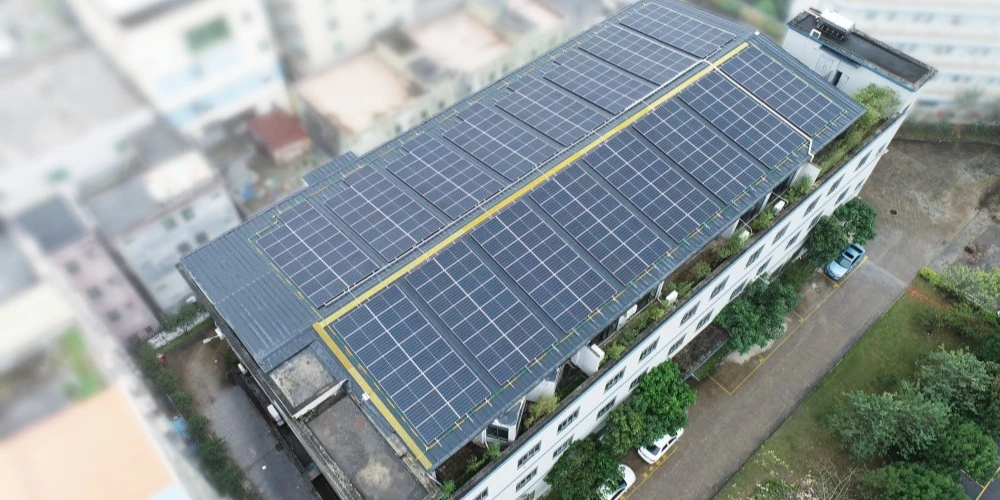
A carbon-neutral compact umbrella is not defined by materials alone. True carbon neutrality in umbrella manufacturing requires a comprehensive approach that addresses the entire production lifecycle and supply chain.
Carbon neutrality in umbrella manufacturing typically involves:
Energy-Efficient Production Planning
Implementing renewable energy sources in factories, optimizing machine operation schedules to minimize energy consumption, and utilizing LED lighting and energy-efficient equipment throughout manufacturing facilities.
Waste Reduction During Cutting and Assembly
Advanced pattern optimization software minimizes fabric waste during canopy cutting, while scrap material recycling programs capture and repurpose leftover metals, plastics, and textiles. Many manufacturers achieve waste reduction rates exceeding 40% through these systematic approaches.
Carbon Offset Programs Aligned with International Standards
Participation in verified carbon offset initiatives such as reforestation projects, renewable energy investments, and methane capture programs. Credible manufacturers partner with organizations certified under Gold Standard or Verified Carbon Standard protocols.
Supply Chain Transparency
Complete tracking of raw material origins, transportation emissions, and supplier environmental practices. This includes detailed carbon footprint calculations for each production stage, enabling accurate offset measurements.
For corporate buyers, carbon-neutral umbrellas are increasingly used in ESG initiatives, employee programs, and promotional campaigns — making transparency in manufacturing practices essential. Companies can now provide detailed environmental impact reports with each umbrella order, demonstrating measurable contributions to sustainability goals.
The rise of carbon-neutral compact umbrellas reflects broader market demands. These products serve dual purposes: practical functionality and tangible demonstration of corporate environmental responsibility. When branded appropriately, they become ambassadors for a company's values every time they're used.

Topumbrella's sustainable umbrella products, materials used, and environmental benefits
Sustainable Umbrella Manufacturing and Quality Control
Sustainable umbrellas must still perform reliably. Environmental credentials mean nothing if products fail prematurely, requiring replacement and ultimately generating more waste than conventional alternatives.
This is where manufacturing capability matters. Factories directly involved in umbrella production can:
- Monitor material behavior during assembly: Real-time observation of how sustainable materials perform during manufacturing allows immediate adjustments, preventing defects and ensuring consistency.
- Adjust processes to reduce waste: Continuous improvement programs identify opportunities to minimize material usage without compromising structural integrity, from optimized cutting patterns to precise adhesive application.
- Maintain consistent quality across large OEM orders: Established quality control protocols, including statistical process control and random sampling inspection, ensure every umbrella meets specifications regardless of order volume.
- Conduct environmental testing: Accelerated aging tests, UV exposure chambers, and rain simulation equipment verify that eco-friendly materials deliver comparable or superior performance to traditional options.
- Document and trace production: Complete production records enable quality issue tracing, continuous improvement, and transparent reporting for corporate sustainability audits.
Buyers who understand the umbrella manufacturing process are better positioned to evaluate whether sustainability claims align with actual production practices. This understanding includes recognizing that genuine sustainable umbrella manufacturing requires investment in:
- Advanced testing equipment for material validation
- Trained quality control personnel familiar with eco-material characteristics
- Supplier audit programs ensuring sustainable material authenticity
- Third-party certification processes (ISO 14001, OEKO-TEX, etc.)
- Continuous staff training on sustainable manufacturing best practices
Without these systems, sustainability claims remain unverifiable marketing statements rather than demonstrable manufacturing reality.
Why Materials Matter for OEM and Corporate Umbrella Programs
For OEM golf umbrellas and branded umbrella projects, materials influence more than sustainability credentials. They fundamentally shape how products are perceived, used, and remembered by recipients.
Product Lifespan and Total Cost of Ownership
Higher-quality materials extend umbrella functional life from months to years. While initial investment may be higher, the cost per use decreases dramatically. A premium golf umbrella used 200 times over five years delivers far better value than a budget option requiring replacement after one season.
For corporate programs, longer-lasting umbrellas mean extended brand exposure and reduced need for repeat orders, improving both environmental impact and budget efficiency.
Brand Perception and Quality Association
The umbrella someone receives becomes a reflection of the gifting organization. Premium materials like carbon fiber frames, RPET canopies with sharp printing, and bamboo handles communicate quality, thoughtfulness, and environmental consciousness.
Conversely, umbrellas that fail quickly—bent frames, faded printing, torn canopies—create negative brand associations that persist long after the failed product is discarded. Material selection is fundamentally a brand management decision.
Alignment with Corporate ESG Goals
As companies face increasing pressure to demonstrate environmental responsibility, promotional products have come under scrutiny. Sustainable umbrellas made from RPET, featuring carbon-neutral production, and designed for longevity align with:
- Waste reduction initiatives
- Carbon footprint reduction targets
- Circular economy principles
- Stakeholder expectations for responsible sourcing
These umbrellas become tangible proof points in sustainability reports and stakeholder communications.
Choosing a manufacturing partner that understands both material science and umbrella production ensures design goals translate into real-world performance. This partnership should include:
- Material recommendations based on intended use cases and environmental conditions
- Prototype development and testing before full production
- Transparent communication about material tradeoffs and cost implications
- Willingness to provide material certifications and environmental documentation
- Post-delivery support for product performance monitoring
Emerging Trends in Sustainable Umbrella Manufacturing
The umbrella manufacturing industry continues evolving as new sustainable materials and production methods emerge. Several trends are reshaping how umbrellas are made:
Biodegradable and Compostable Materials
Research into bio-based polymers and plant-derived materials is creating umbrellas that can decompose safely at end-of-life. While still in early adoption phases, these materials represent the next frontier in sustainable umbrella manufacturing, potentially eliminating landfill concerns entirely.
Modular Design for Repair and Replacement
Umbrella manufacturers are increasingly designing products with replaceable components—canopies, ribs, handles—that extend product life and reduce waste. This approach transforms umbrellas from disposable items into repairable tools, aligning with circular economy principles.
Digital Printing Technologies
Advanced digital printing reduces water consumption, eliminates toxic chemicals traditionally used in screen printing, and enables smaller minimum order quantities. This technology supports sustainable umbrella manufacturing by reducing environmental impact and enabling more flexible, waste-minimizing production runs.
Blockchain for Supply Chain Verification
Some umbrella manufacturers are implementing blockchain technology to provide complete supply chain transparency, allowing buyers to verify material origins, production conditions, and carbon offset authenticity through scannable codes on each umbrella.
Final Thoughts
Modern umbrella manufacturing is no longer just about how umbrellas are made — but what they are made from and why those choices matter. The industry has reached an inflection point where sustainability and quality are not competing priorities but complementary objectives.
As sustainability expectations rise globally, manufacturers that combine material expertise with transparent production practices are better positioned to support long-term, responsible umbrella programs. This is particularly important for:
- Corporate buyers seeking to align promotional products with ESG commitments
- Brand managers responsible for maintaining quality perceptions
- Procurement teams balancing cost efficiency with environmental responsibility
- Marketing professionals using branded umbrellas in campaigns and events
The most successful umbrella programs recognize that material selection is a strategic decision with implications for brand perception, environmental impact, and long-term cost management. By partnering with manufacturers who understand these interconnections, businesses can ensure their umbrella investments deliver value across multiple dimensions.
Whether choosing carbon fiber golf umbrellas for premium corporate gifts, RPET compact umbrellas for employee welcome kits, or carbon-neutral umbrellas for sustainability-focused campaigns, the key is working with manufacturers who can translate material choices into measurable quality outcomes and verifiable environmental benefits.


